





Whether you spend long hours on your feet, sit at a desk all day or are recovering after a procedure, you might have wondered how to support your body in managing fluid balance. This friendly guide explains how the lymphatic system works, why fluid can build up, and how lymphatic drainage may help reduce swelling and water retention to support your overall comfort and well-being.
Your lymphatic system is a network of vessels, nodes and organs that plays a key role in fluid balance and immunity. Unlike the circulatory system, which uses the heart as a pump, the lymph system relies on the body’s movements, breathing and gentle muscular activity to transport lymph fluid — a clear fluid that carries waste products and proteins from tissues back into the bloodstream. When this flow slows, fluid can accumulate and lead to puffiness or swelling, especially in the legs, arms and abdomen.
Swelling and water retention (also known as oedema) can occur for a variety of reasons:
When the lymphatic system isn’t moving fluid efficiently, excess fluid stays in your tissues and can cause that familiar feeling of heaviness, puffiness or tightness.
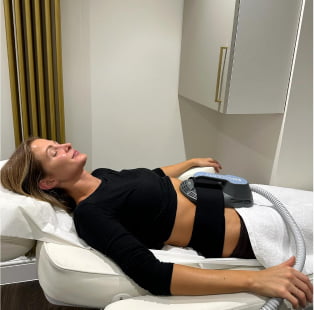
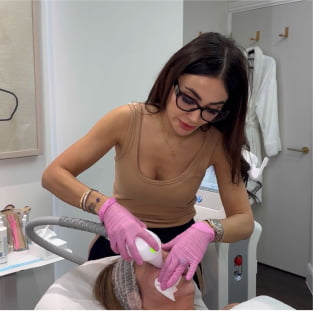
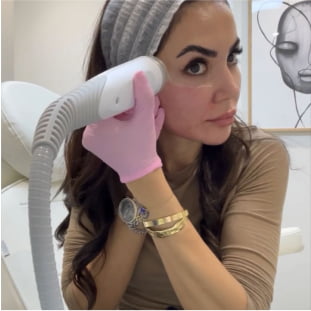
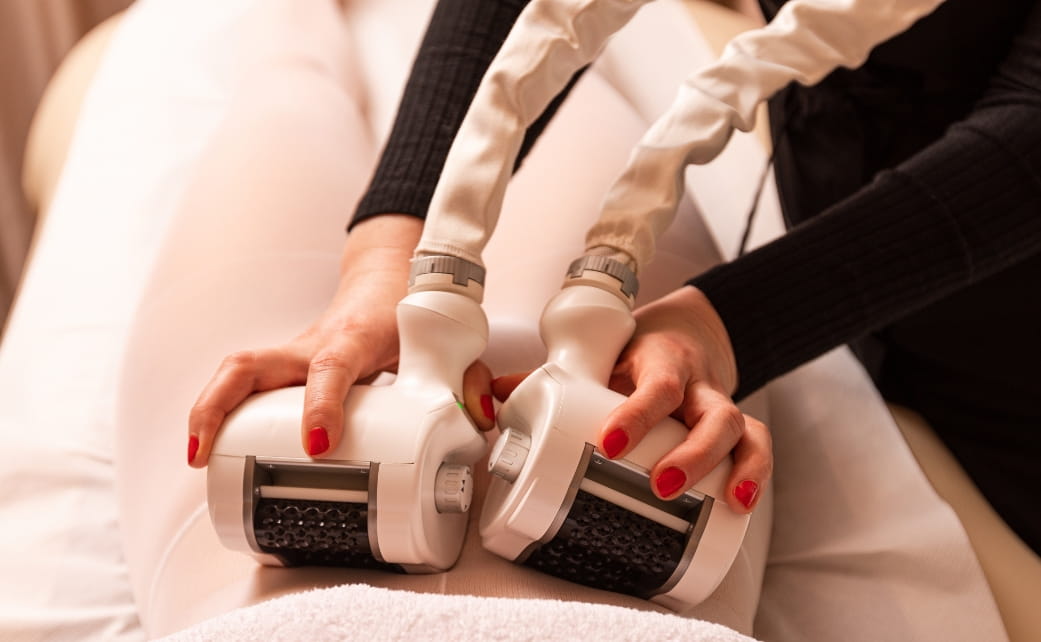
Lymphatic drainage is a gentle approach designed to encourage the natural movement of lymph fluid through your lymphatic system. It can be performed by a trained therapist or tailored as part of a wellness plan during consultations in places that offer Lymphatic in Chelsea services, such as at Sadaf Jaffari Clinic.
This technique uses specialised, rhythmic motions — much lighter than traditional massage — to help redirect fluid toward functioning lymph vessels and nodes where it can be processed and returned to circulation.
The aim is to support your body’s own mechanisms rather than force anything, so the experience is often described as calming and soothing.
Here’s what research and clinical literature suggest about how lymphatic drainage can support reduced swelling and water retention:
Lymphatic drainage is typically very gentle. Here’s a simple idea of what a session might involve:
Most people do not feel discomfort; in fact, some describe it as deeply relaxing. However, if you ever feel significant pain, it’s important to let your practitioner know — pressure that’s too firm may work more on muscles than on the lymphatic system.
Lymphatic drainage may be helpful if you:
Before beginning any therapy, discuss your medical history and current medications with your practitioner. This helps ensure your session aligns with your overall health needs, especially if you have circulatory conditions or were recently hospitalised.
While lymphatic drainage can support fluid movement, there are everyday habits that also help:
After lymphatic drainage sessions, many people describe:
Results can vary from person to person, and some individuals may need a series of sessions to achieve their goals.
Lymphatic drainage can be a supportive part of a broader wellness routine. Whether you’re recovering from an event that caused fluid build-up, managing swelling after long periods of sitting, or simply curious about supporting your body’s fluid balance, scheduling a consultation to talk about your options is a good first step.
Practitioners at clinics like Sadaf Jaffari Clinic can guide you with personalised advice based on your health and lifestyle.
We proudly feature the world's top aesthetic brands for procedures that redefine beauty. Trust in innovation, safety, and sophistication with us.
LEARN more about our brands





Follow us on Instagram for a visual journey through our latest updates.
follow us on instagram