





Both treatments aim to stimulate your skin’s natural renewal processes, but they work in slightly different ways. This article explains the key differences, benefits, and what you might expect — all in plain, patient-friendly language.
Traditional microneedling uses a device with very fine needles to make controlled, tiny punctures in the skin’s surface. These micro injuries encourage your body to produce more collagen and elastin, proteins that support firm, smooth skin. This can help with issues such as uneven texture, mild scarring, and early signs of ageing.
Microneedling is usually well tolerated and may support improvements in surface-level skin concerns with minimal downtime.
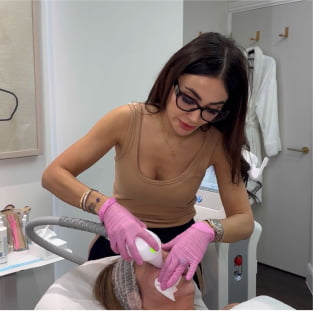
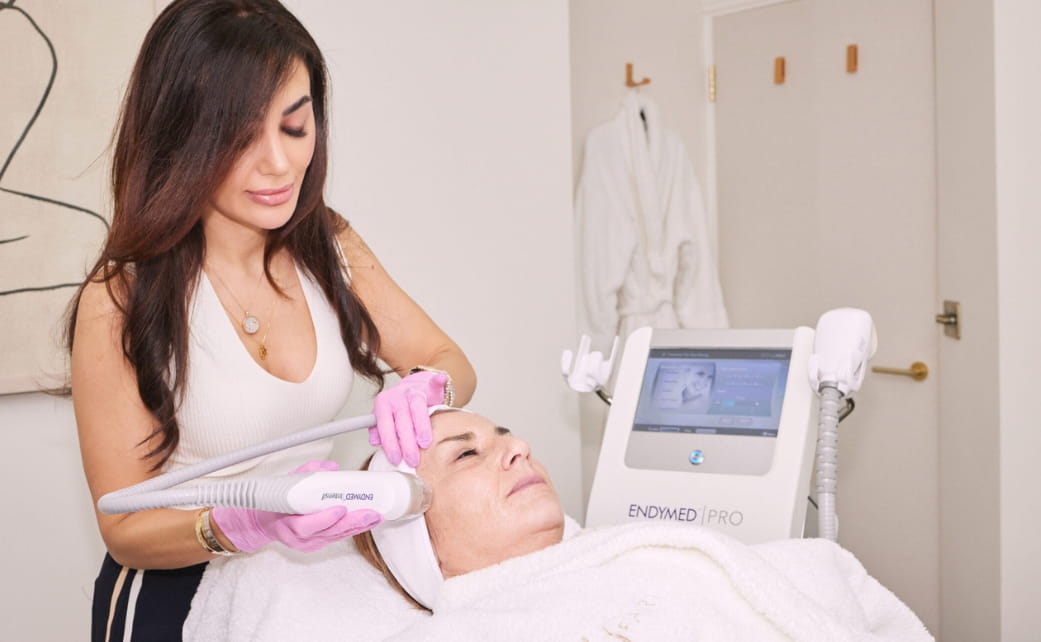
Radiofrequency (RF) microneedling combines the same tiny needles with controlled heat energy delivered beneath the skin’s surface. The addition of radiofrequency aims to stimulate collagen more deeply, potentially improving firmness and skin tightening alongside texture improvements.
RF microneedling encourages both the micro-injuries that signal healing and collagen formation and the thermal effect that can promote deeper remodelling of tissues.
Here’s a simple comparison to help make the differences clearer:
| Feature | Microneedling | RF Microneedling |
| Mechanism | Micro injuries to the skin | Micro injuries + heat energy |
| Targets | Surface to mid dermis | Mid to deeper dermis |
| Collagen stimulation | Moderate | Enhanced |
| Skin tightening | Mild | More pronounced |
| Downtime | Often short | Slightly longer |
| Sessions needed | More to achieve deeper results | Often fewer |
| Sensation during treatment | Mild | Mild moderate due to heat |
Both treatments aim to prompt your body’s healing response, but the addition of radiofrequency energy goes a step further by targeting deeper layers of the skin’s structure.
Most people choose microneedling for improvements in:
Results are gradual, often appearing over several weeks as collagen rebuilds. Many people notice a smoother, more refreshed look after a course of sessions.
Radiofrequency microneedling may produce results that include:
Because RF energy reaches deeper layers, you may see more significant changes in elasticity and firmness with fewer appointments — though individual outcomes vary.
Both treatments are generally considered safe when performed in a clinical setting by trained practitioners, and most people experience only short-term redness or mild swelling.
That said, the addition of radiofrequency energy means there is a slightly different side effect profile. RF microneedling uses heat at depth, and — as with any energy-based treatment — this can carry a risk of burns if not administered appropriately. It’s important to have a detailed discussion about safety and aftercare before booking any treatment.
Practical tip: Be clear about your skin goals and ask your provider which option — or combination of treatments — aligns with those goals and your lifestyle.
There’s no single “right” choice for everyone, but here are some general pointers:
Traditional Microneedling Could Suit You If:
RF Microneedling Could Be Worth Considering If:
An individual consultation is a great way to explore what’s right for your skin and goals.
If you’re thinking about Microneedling in Chelsea, a consultation with the Advanced Aesthetics Clinic in Chelsea. At Sadaf Jaffari Clinic, we aim to support you with clear information and personalised advice so you feel confident about your choices, with the option to book an appointment when appropriate.
We proudly feature the world's top aesthetic brands for procedures that redefine beauty. Trust in innovation, safety, and sophistication with us.
LEARN more about our brands





Follow us on Instagram for a visual journey through our latest updates.
follow us on instagram